

Your website is your first showing.
In real estate, that’s not a metaphor — it’s literally true. Before a buyer calls you, before they book a showing, before they even read your bio, they’ve already formed an opinion based on how your website feels in the first few seconds. Slow load? Gone. Cluttered layout? Gone. Looks like it hasn’t been touched since 2017? Gone.
Table of Contents
ToggleMost agents know this, but they still put it off. The listings take priority. The phone calls take priority. The website sits there, half-built, on a theme someone recommended in a Facebook group three years ago.
Here’s the thing — it doesn’t have to be complicated. The right WordPress real estate theme does a lot of the heavy lifting for you. The wrong one quietly costs you leads every single day.
What Makes a Real Estate Theme Actually Good
Not good-looking. Actually good.
There’s a difference. A lot of themes look stunning in a demo and then collapse the moment you add 50 real listings, a contact form, and an IDX feed. So before anything else, here’s what matters:
- Property search that doesn’t frustrate people. Buyers don’t browse in the traditional sense — they filter. Price, location, bedrooms, property type. If your search experience is clunky, they’ll head to Zillow and you lose them entirely. Your theme’s filtering needs to be fast and intuitive.
- MLS/IDX integration that actually plays nice. If you need live listing data pulled from the MLS, your theme needs to work with IDX plugins without a fight. Test this before you buy — some themes claim compatibility and then require hours of troubleshooting.
- Mobile design that’s been properly tested. “Responsive” is the bare minimum. What you actually want is a theme where someone can browse listings, tap through photos, and fill out a contact form on their phone without any friction. Over 60% of property searches start on a smartphone. Your mobile experience is your primary experience.
- Agent profiles that feel human. A photo, a real bio, certifications, contact options. This stuff matters because people hire people, not websites. If you run a team, individual agent pages with their own listing histories make a measurable difference in credibility.
- Speed. This one gets buried in feature lists but it’s foundational. A theme bloated with unnecessary scripts and unoptimized images will tank your Google rankings and drive visitors away before the page finishes loading. Clean code matters.
7 Things to Check Before You Buy Any Theme
This process takes about 20 minutes and saves you from a headache later.
- Pull up the live demo on your phone first — not your desktop. See how the search works, how images load, whether the contact form is easy to use. Developers always optimize for desktop demos, so mobile is where you’ll find the real issues.
- Check when the theme was last updated. Anything sitting untouched for more than a year is a red flag for compatibility problems with current WordPress versions and security plugins.
- Read the support reviews specifically. Not the star ratings — the actual comments. Look for words like “slow response,” “no reply,” or “fixed immediately.” Support quality is everything when something breaks at 11pm.
- Look for one-click demo import. This isn’t just convenience — it’s a sign the developer has thought carefully about the setup experience.
- Confirm page builder compatibility. Elementor? Gutenberg? Both? Make sure it matches what you’re already using or comfortable learning.
- Check WooCommerce support if you ever plan to sell anything — market reports, guides, consultation bookings.
- Understand the pricing model. One-time payment vs annual subscription changes your five-year cost significantly. Run those numbers before committing.
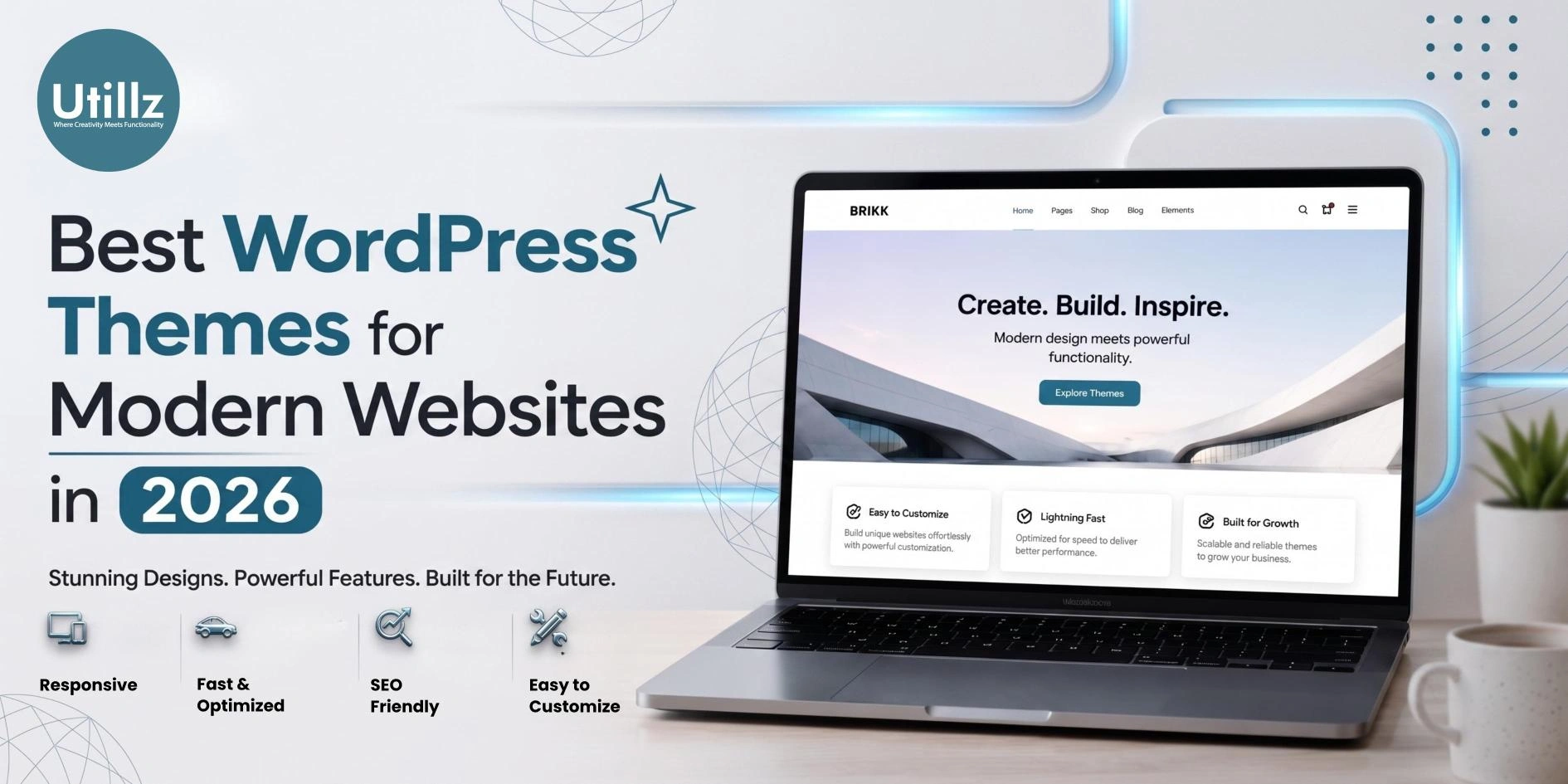
Why Brikk by Utillz Is Worth a Serious Look
Most WordPress real estate themes are built for one purpose: showcasing listings for a single agent or small agency. That’s fine if that’s your business. But if you’re building something closer to a rental marketplace — where multiple property owners list their spaces, guests book and pay online, and the whole thing needs to run itself — you need something built for that specific model.
It’s not a theme that was later modified to handle bookings. Bookings, availability, and marketplace monetization were built in from the start. The difference shows.
A few things that stand out:
- The booking system handles nightly stays, hourly reservations, and service slots — all within the same theme. That’s genuinely unusual. Most platforms make you choose one model.
- The iCal sync is two-way and works with Airbnb, Booking.com, and VRBO. If you’re managing cross-platform availability, that’s not a nice-to-have — it’s essential.
- Monetization is built in. You can charge listing fees, take a commission on bookings, and offer premium memberships without stitching together separate plugins.
- Customization runs through Elementor. Every listing page, search form, and booking flow is drag-and-drop.
- There’s a mobile app conversion option — turn your property site into a branded iOS and Android app without native development costs.
- One-click demo import. Most users are live within 24–48 hours.
The price is $79, one-time. No monthly fees. No transaction cuts. No renewal required. For what it includes, that’s not a deal — it’s kind of absurd value. They also back it with a no-questions-asked money-back guarantee with no time restriction, which tells you something about how confident they are in the product.
Agent Site or Rental Marketplace — Know Which One You’re Building
Before you pick a theme, be honest about your business model.
If you’re an agent or small agency focused on helping buyers and sellers — you want a solid real estate agent WordPress theme. Clean listing display, lead capture forms, agent profiles, IDX support. That’s the core.
If your model involves renters, short-term bookings, multiple hosts, or anything resembling a two-sided marketplace — a standard real estate theme isn’t going to cut it. You’ll spend months adding plugins and fighting compatibility issues to get features that Brikk ships with by default.
What It Actually Costs to Launch
Here’s a realistic first-year budget:
Theme (Brikk): $79 one-time. Hosting (Hostinger or SiteGround): $36–$120 per year. Domain: $10–$15 per year. SSL: free via Let’s Encrypt. WooCommerce and Elementor: free.
Total: roughly $125–$215 for year one. Compare that to a custom build at $5,000–$15,000 minimum, and you start to understand why platform-ready themes have changed the game for independent operators.
Mistakes That Cost People Time and Money
A few things worth knowing before you make a final decision:
Choosing based on visuals alone is the most common mistake. A beautiful demo built on slow, bloated code will hurt your SEO and frustrate your visitors — both of which cost you money.
Skipping the support check is the second. Good support isn’t a perk — it’s part of what you’re buying. A developer who doesn’t respond leaves you stranded when something breaks.
Picking a general WordPress theme and trying to make it into a real estate platform never goes as smoothly as expected. Purpose-built tools exist for a reason.
And underestimating mobile is still happening more than it should. Do not launch anything without thoroughly testing it on an actual smartphone — not just a desktop browser in mobile preview mode.
Final Thoughts:
The theme you choose shapes how every visitor experiences your business. Get it right and your website works for you around the clock. Get it wrong and you’re losing leads to competitors whose sites just feel more professional.
If you’re building a single-agent site or small agency presence, there are solid options worth exploring. If you’re building a rental marketplace or anything that involves real bookings and multi-host management, Brikk by Utillz is probably the most complete solution available at this price point.