
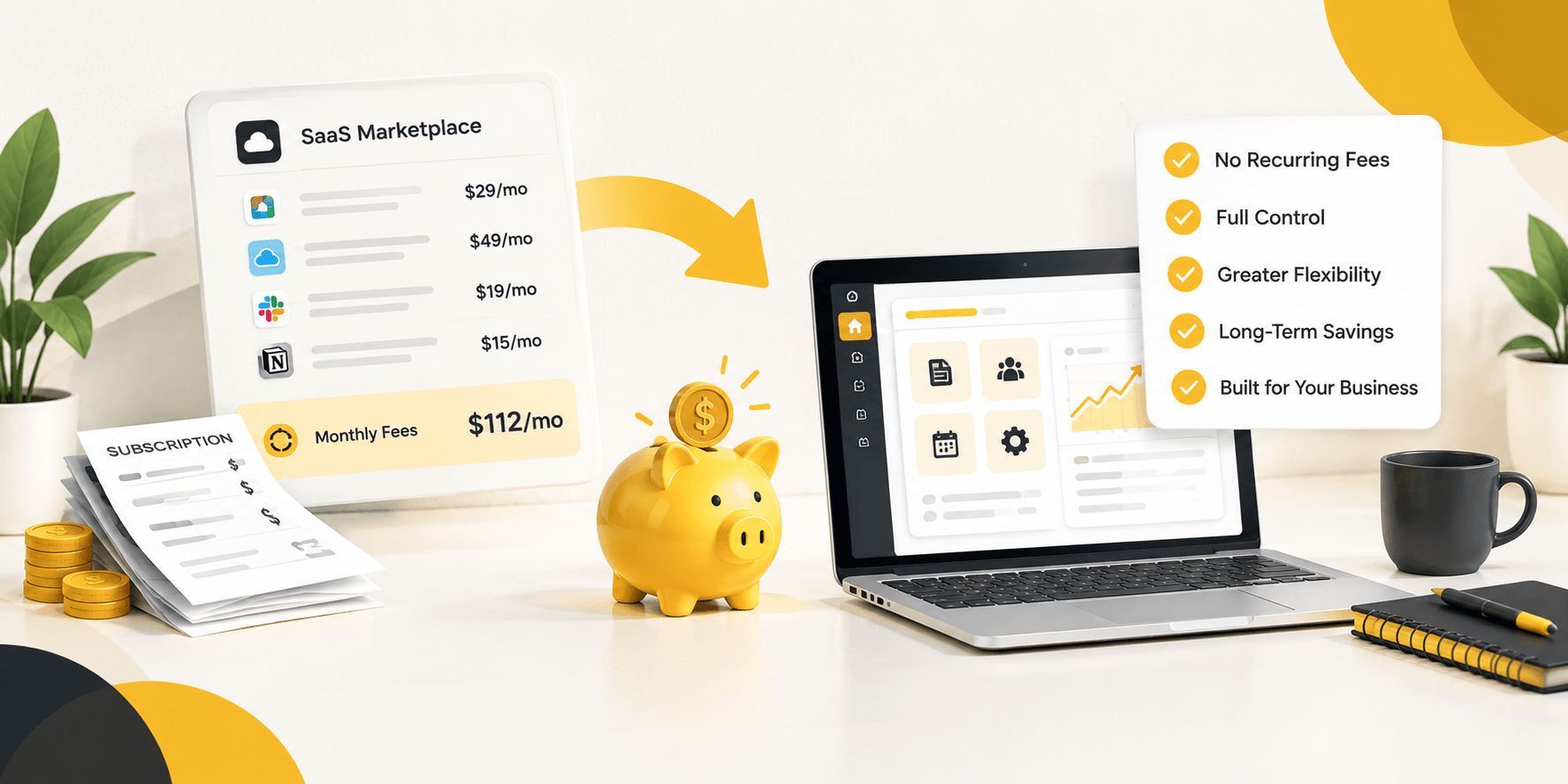
Software as a service is what SaaS stands for. A SaaS marketplace platform is set up by the company that provides it. You can access it using your web browser without needing to install anything. You pay for it using a subscription, which is often done every month or every year.
Table of Contents
ToggleThat is why many people begin with it. There is nothing to install. The company handles updates and fixing any problems.
The problem comes later. The cost of the subscription adds up over time and in the end it might be more expensive than buying something. This post looks at why marketplace software pricing keeps going up five reasons why monthly charges end up being more than they appear to be and what you can do about each of these reasons.
Why Do Marketplace Owners End Up Cancelling Their SaaS Plan?
Most owners don’t stop a service because of one big charge. They stop it when the small charges add up. The usual reasons are:
- Prices that go up when you renew
- Fees that increase as your sales grow
- A marketplace that you rent instead of own
- Customization that depends on the plan you
- Lock-in that makes it hard to leave
Here’s the part that many people overlook. The price on the page is not the thing that changes. Vendors also change plans, move features between levels or stop plans quietly, so what you get for the price can shift. That makes it important to look at marketplace software pricing more than once not when you sign up.
5 Reasons Monthly Marketplace Fees Cost More Than They Seem
1. Prices Often Rise at Renewal
Subscription prices don’t stand still. Surveys of software buyers keep finding that renewals often come with higher prices, and you can’t always tell what next year’s bill will look like.
A one-time license takes the renewal out of the equation, so there’s no yearly increase to negotiate. Your hosting still renews, but you choose the host and can move whenever you like.
How to avoid it:
- Ask what the plan costs at renewal before you sign.
- Get the plan terms in writing.
- Compare the total over several years, not one month.
2. Fees Grow as You Grow
Per-transaction pricing sounds fair until your marketplace gets busy. Some hosted plans include a set number of free transactions each month and then charge for every one beyond it, and others take a percentage of each sale.
Either way, a busier month means a bigger bill, before payment processing. With a self-hosted theme, there’s no platform fee on your bookings or sales, so more activity doesn’t raise what you pay for the software.
How to avoid it:
- Check for both per-transaction fees and percentage fees.
- Estimate a busy month, not an average one.
- Remember that payment processors charge their own fee on any route.
3. You’re Renting, Not Owning
On a hosted platform your listings, customers and orders exist on the vendor’s servers. And your marketplace stays online only while the subscription is paid. If you stop paying the site disappears.
On your own hosting, the marketplace and its data are stored in your own account. You still pay for hosting. You choose the host. What you build stays yours; you can keep it. Move it.
How to avoid it:
- Ask what happens to your site if you stop paying.
- Find out where your data actually lives.
4. Customization Often Depends on the Plan
On many hosted platforms, how much you can change depends on what the vendor supports and which plan you’re on. The design you want can sit one step above the plan you chose.
A WordPress theme built on a visual page builder works differently. You can change listing pages, search forms, booking flows, and checkout pages yourself, without code and without a higher tier to climb first.
How to avoid it:
- List the changes you know you’ll need.
- Check which plan includes each one.
- Ask what the vendor doesn’t allow at all.
5. Lock-In Makes Leaving Expensive
The more you create using a hosted platform the harder it is to leave. Custom work that is designed around a vendor’s tools and processes relies on that vendor’s system continuing to work the way and moving your data with you isn’t always easy.
On a self-hosted marketplace your listings, your customers and your files are stored in your own hosting account. Moving usually means switching hosts not starting over with your business.
How to avoid it:
- Ask how you would take your listings, customers, and your files with you.
- Check how much of your setup depends on vendor-specific tools.
How a Self-Hosted Marketplace Theme Avoids These Problems
Self-hosted marketplace software changes the way things work. You purchase it once, set it up on the hosting service you pick and manage it on your own.
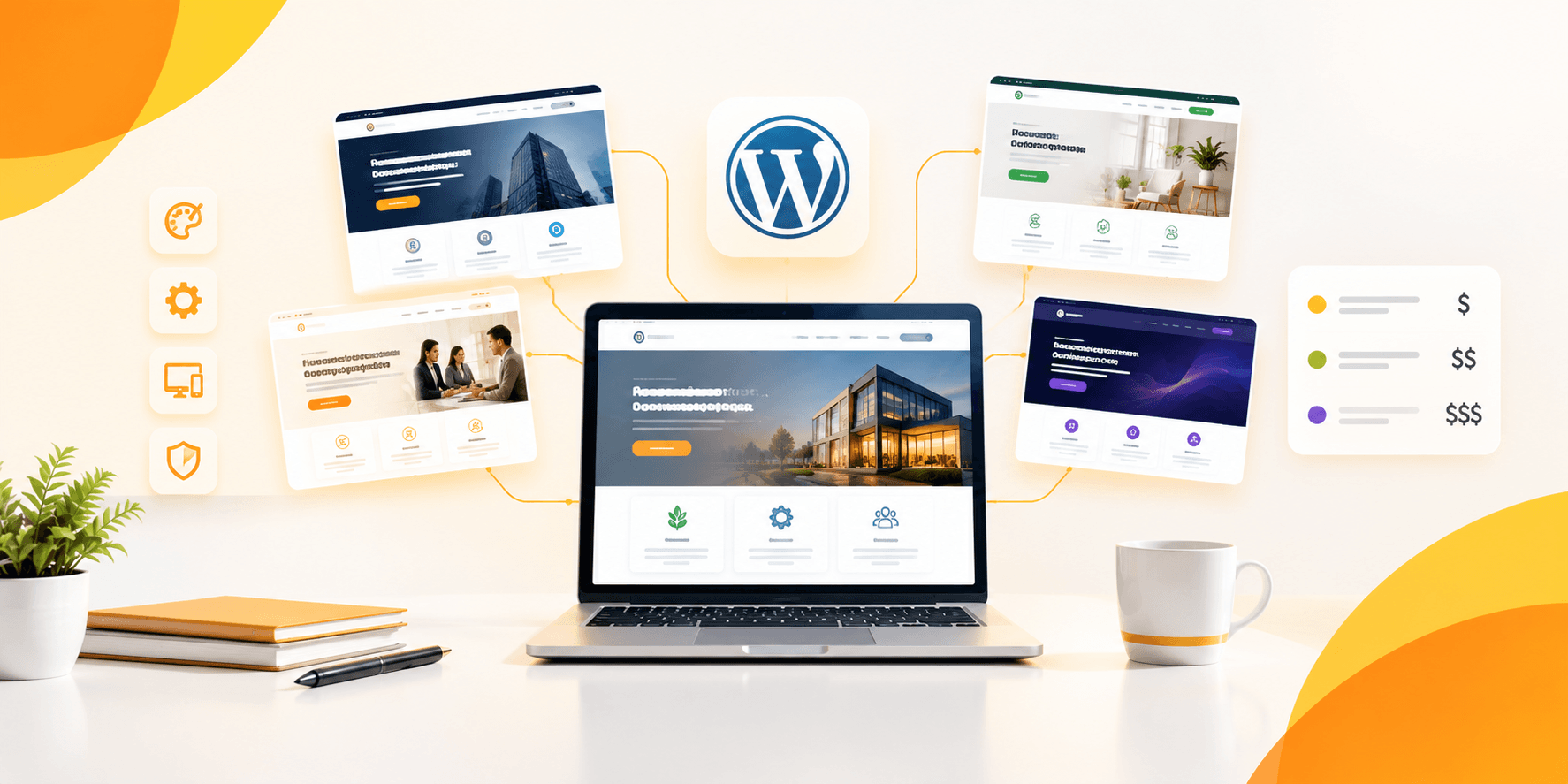
WordPress is a popular content management system, which means it’s easy to find payment options, plugins, hosting services and developers. That’s why a WordPress marketplace theme makes an online marketplace platform.
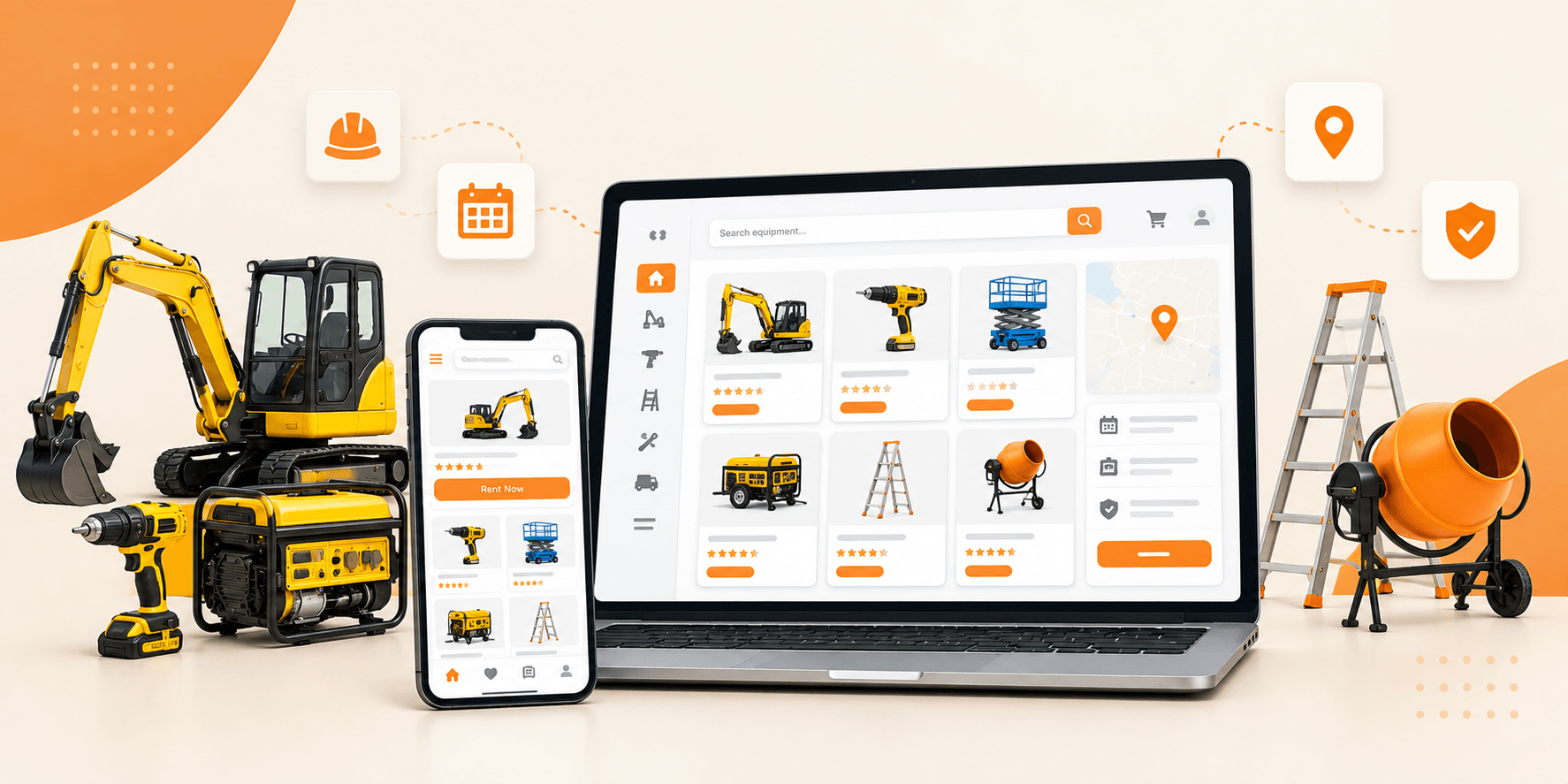
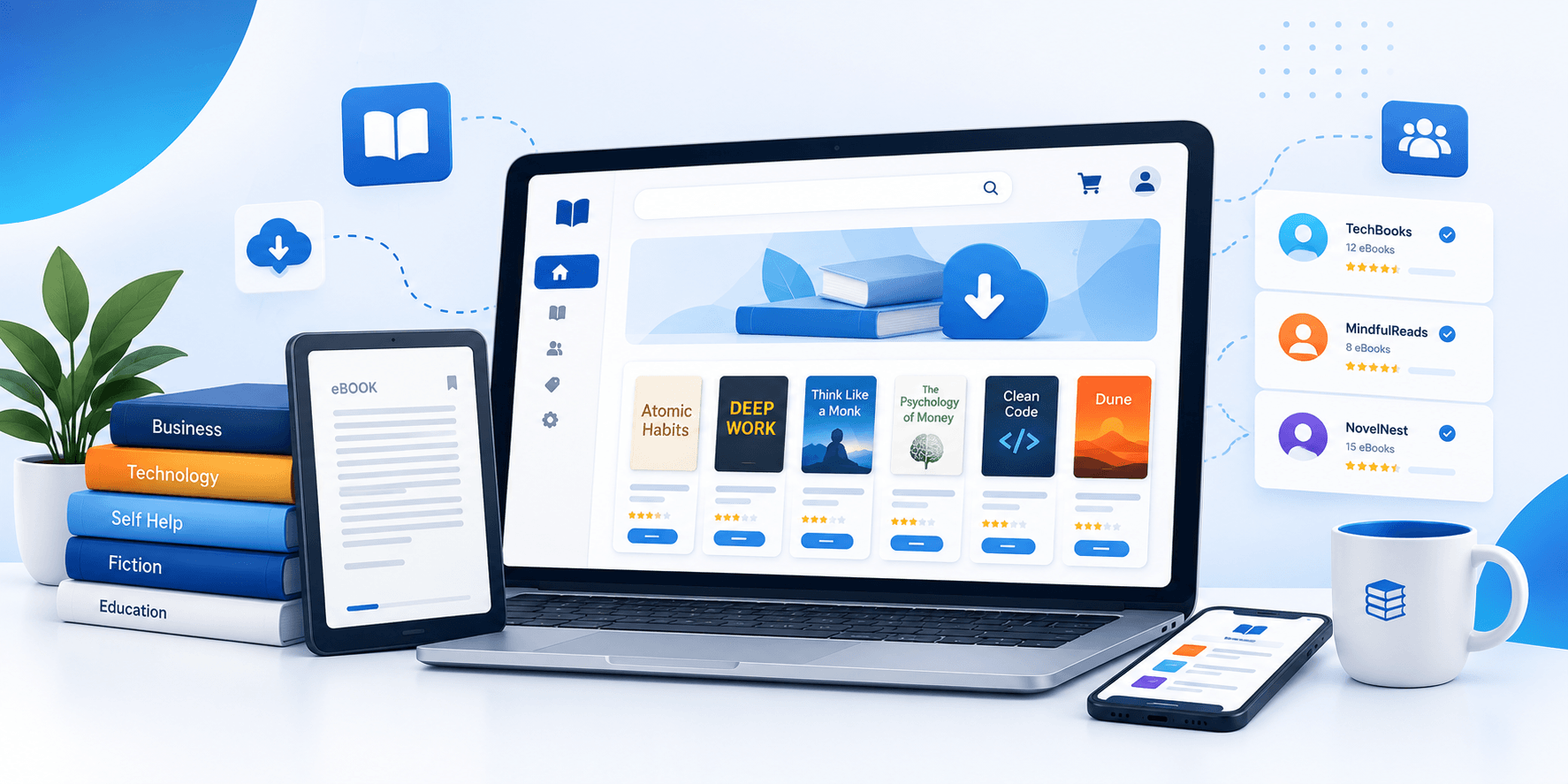
Utillz creates two themes, both sold on ThemeForest. Brikk is for rentals and bookings: things like stays, hourly time slots and appointments with two-way iCal sync for Airbnb, Booking.com and VRBO host dashboards and tracking of commissions. Heilz is for downloads with support for multiple vendors, subscriptions and 100+ payment gateways built using WooCommerce.
Each theme is a one-time $79 license with no need for renewal fees and no cut of your bookings or sales. Both run on Elementor so you can change pages easily. Your listings, customers and your files are stored in your hosting account and the company says it has no access to your bookings, listings, customers or money. Both themes offer a money-back guarantee. You can try free demos of either one before making a purchase.
Here’s a budget, using Utillz’s own for hosting and domains:
- Theme: $79, one-time
- Hosting: about $36 to $120 a year
- Domain: about $10 to $15 a year
- Payment processing: still applies, paid to the processor rather than the theme seller
The theme is a one-time cost, while hosting and the domain repeat each year. Hosting prices often rise after the first term, so check the renewal rate before you buy.
Self-hosting does come with work. A hosted vendor carries support, updates, and bug fixes, and with self-hosted software, more of that falls to you. A hosted marketplace website builder may still suit you if you’d rather not manage hosting at all. If you’d rather own the marketplace and its numbers, self-hosting is worth a close look.
Final Words
Monthly fees don’t seem very large on the first day. They become large after the renewal arrives, the sales increase and you understand how much of the marketplace you don’t have control over. If you are considering SaaS alternatives few habits can make the choice easier:
- Estimate the price of your marketplace over years not just one month and compare the totals side by side.
- Before you sign or renew, ask about the renewal pricing, the transaction fees and how you will export your data.
- Consider the work as well as the cost since self-hosting replaces monthly bills with more maintenance on your part.
Want to see what a self-hosted marketplace looks like before you commit? Try the free demos of Brikk and Heilz from Utillz and compare them with your current plan.
Frequently Asked Questions