

Maybe you’ve done the freelance thing and burned out trading hours for dollars. Or maybe you’ve got a skill design, writing, teaching, organizing, whatever it is and you know it could genuinely help people, but you haven’t figured out how to turn that into money that comes in while you’re asleep. That’s the whole appeal of digital products: build it once, sell it as many times as people want it, no restocking required.
Table of Contents
ToggleIf the idea of setting up a digital product store has felt like too much to tackle, this guide walks through it piece by piece. By the time you’re done reading, you’ll have a real handle on how to sell digital products online, picking a niche that actually makes money, choosing a platform that fits what you’re selling, pricing your work so it sells without underselling yourself, and lie the mistakes that trip up almost everyone starting.
Why Digital Products Are Booming in 2026
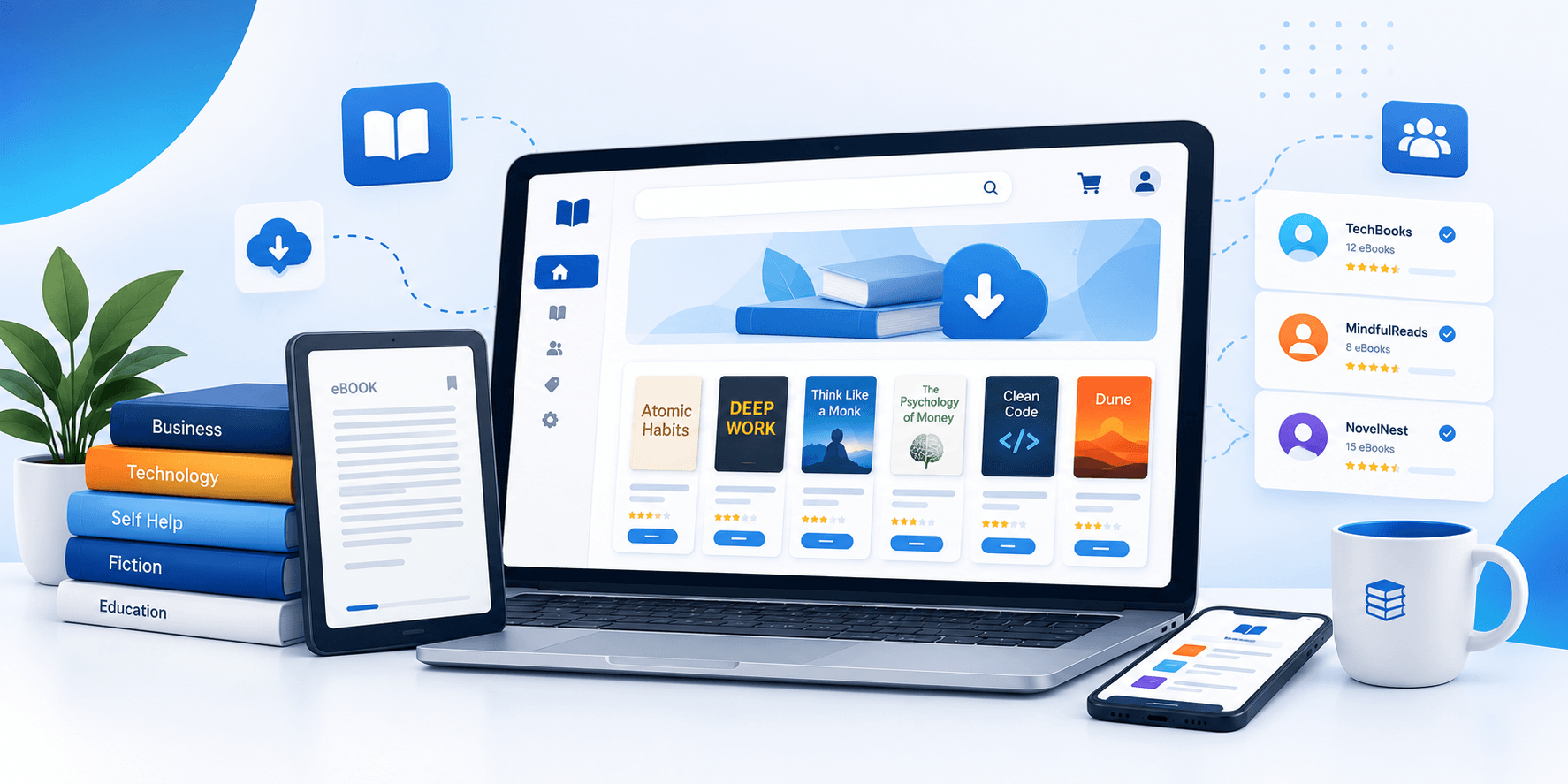
With low costs, high profits, and the help of AI, selling a product repeatedly after creating it just once has become easier than ever. You don’t need a factory, a courier service, or a huge budget just a laptop and an idea that offers value to others.
This guide is for:
- Beginners who want a low-risk way to start an online business.
- Side-hustlers looking to turn a skill into passive income
- Creators, designers, coaches, and educators ready to package their expertise
Choosing Your Digital Product
Here’s where a lot of people get stuck before they even start: too many options. Ebooks, courses, templates, printables, plugins, presets, stock assets the list goes on. None of that matters much if nobody’s looking for it, though.
The fix is boring, but it works. Do a little keyword research to see if people are actually searching for the thing you want to build. Look at what your competitors are already selling, read their reviews, not just their sales page, because that’s where you find out what’s actually missing. And honestly, just ask people. A quick poll or a few DMs to your existing audience will tell you more than an hour of guessing.
Try to build something close to what you already know. Designers should lean toward templates or presets. If you’re good at explaining things, a course is probably your fastest path to money.
Profitable Niches for Digital Product Stores
Finding a Niche That Actually Pays
Not every niche is worth chasing, and picking the wrong one is usually why a digital product store stalls out. A few things worth checking before you commit to one:
Are people annoyed enough by this problem to actually pay for a fix? Productivity, money, health, and creativity tend to be safe bets. People open their wallets for those without much convincing.
What’s frustrating your potential buyers right now, today not what you assume is frustrating them. There’s usually a gap between the two.
And what’s everyone else already charging for something similar? That number tells you what the market will actually bear, long before you’ve sold a single copy.
Top Marketplaces for Digital Product Creators
Once you’ve built the thing, the fastest way to get your first sales is usually a marketplace with existing foot traffic. A few worth knowing:
- Etsy: strong for printables, planners, and templates; buyers there are already primed to purchase, but the platform charges listing and transaction fees on every sale
- Gumroad: simple setup for ebooks, courses, and software, with a flat percentage cut instead of monthly fees, which suits creators just starting out
- Creative Market: good fit for design assets like fonts, presets, and templates aimed at other creators and freelancers
- Udemy: the default choice for courses, with a built-in student base, though Udemy controls pricing and takes a significant cut on organic sales
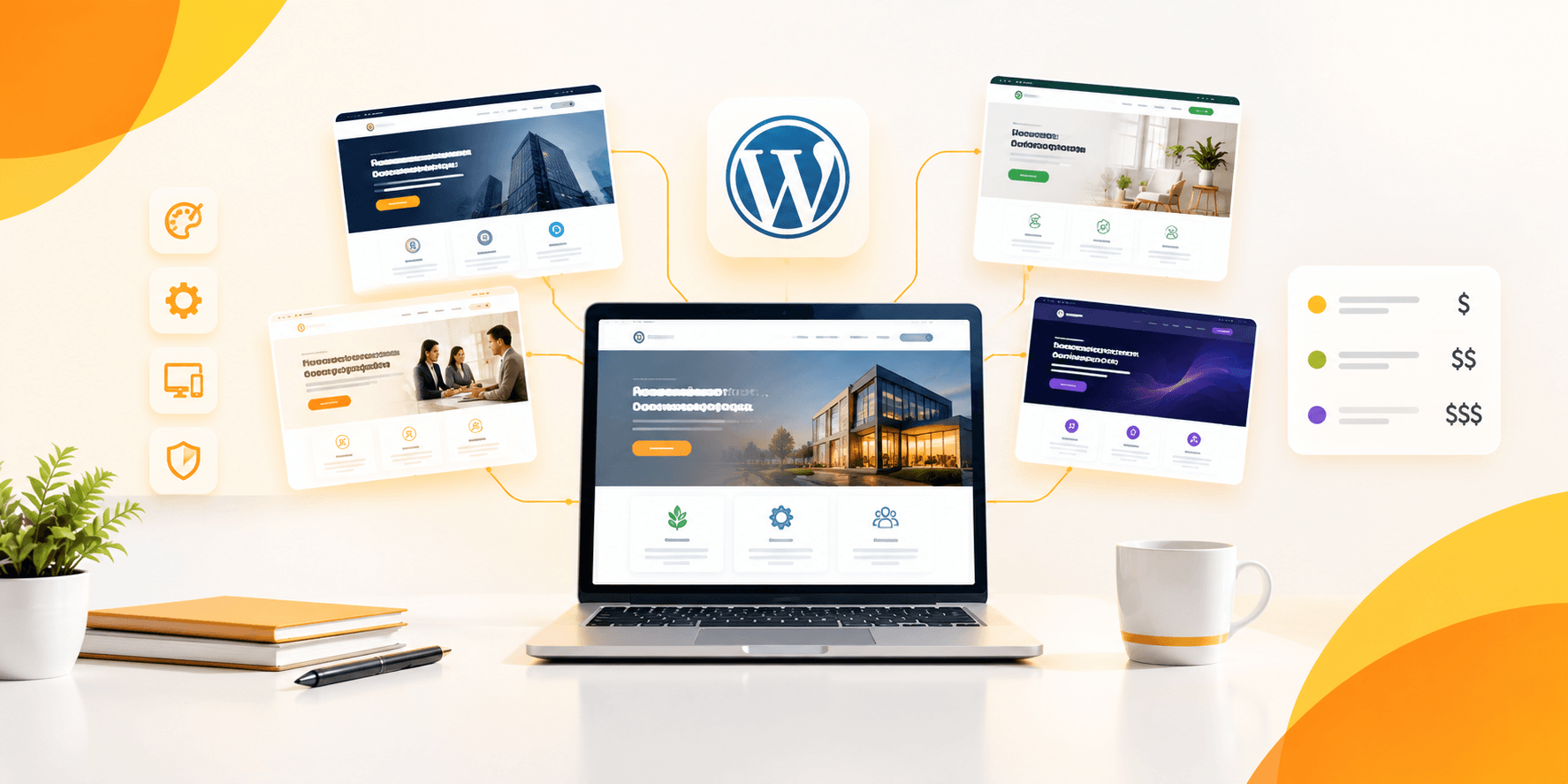
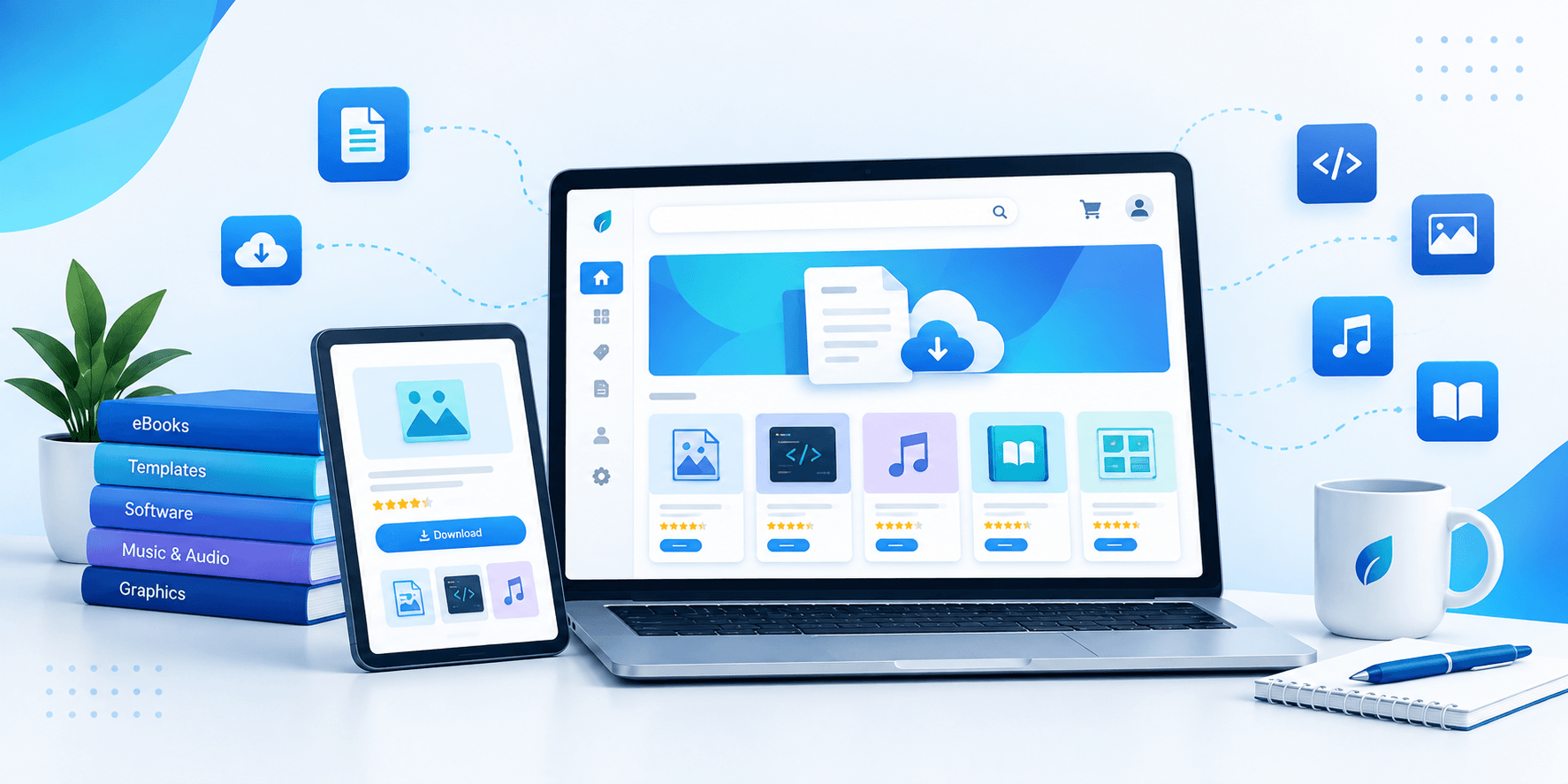
- Utillz(Heilz): not a traditional marketplace, but a one-time $79 WordPress theme that lets you run your own multi-vendor digital downloads store without giving up a percentage of every sale
Each one attracts a slightly different buyer, so the right pick depends on what you’re actually selling. Treat the first four as a launchpad rather than a permanent home; they’re great for your first few sales, less great once you want to keep more of what you earn. When you’re ready to stop splitting revenue with a marketplace, that’s usually the point where creators start looking at self-hosted options like Heilz by Utillz, covered a bit further down.
Best Platforms for Selling Digital Downloads
Where you sell matters almost as much as what you sell. You generally have two paths:
Marketplaces (Etsy, Gumroad, Creative Market, Udemy)
- Pros: built-in traffic, easier discovery, lower setup effort
- Cons: transaction fees, less brand control, more competition, and ongoing subscription or commission costs that eat into every sale
Your own website/store (Shopify, WordPress-based solutions, Podia, Payhip)
- Pros: full control over branding, pricing, and customer data
- Cons: some platforms still charge you monthly, plus a cut of your revenue on top
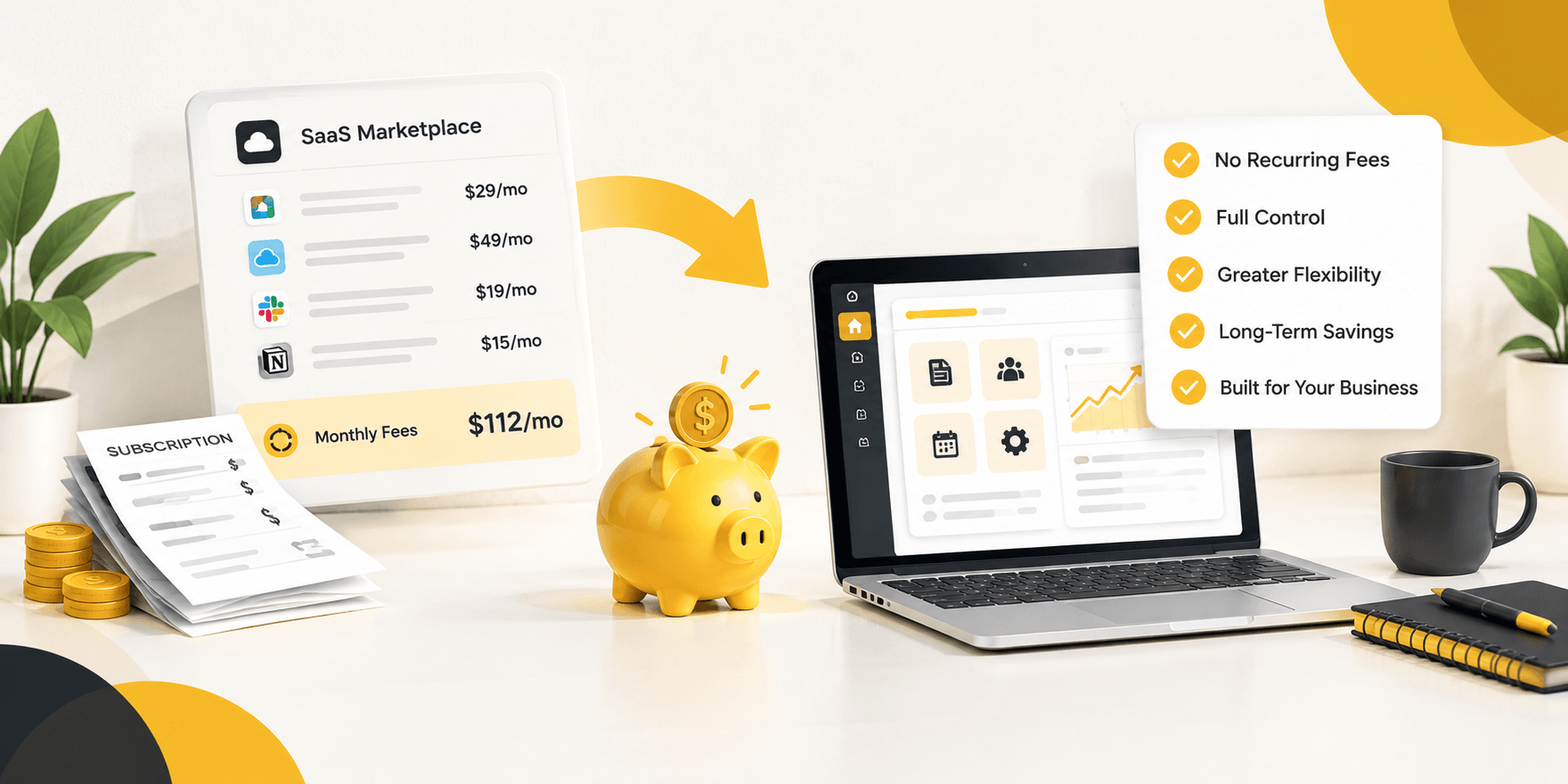
Here’s the catch most beginners miss: many “own website” solutions are still SaaS platforms underneath you’re paying rent every month whether you make a sale or not. This is where a theme like Heilz stands apart. Instead of subscribing to a platform, you buy the WordPress theme once for $79, install it on your own hosting, and run your entire digital downloads store file delivery, vendor accounts, and checkout on WooCommerce. There’s no monthly fee and no percentage taken from your sales, ever.
Many successful sellers still use marketplaces for early discovery, but pairing that with a self-owned store like Heilz means you’re not permanently paying a toll on revenue you already earned.
Best Secure Payment Gateways for Selling Downloadable Files
Getting paid safely and delivering your files smoothly is non-negotiable.
- Choose a reliable domain and hosting setup if you’re building your own store
- Set up secure payment processing with automated file delivery so buyers get instant access
- Cover your legal essentials: licensing terms, terms of use, and a clear refund policy protect both you and your customers
Because Heilz is built on WooCommerce, it comes with support for over 100 payment gateways out of the box, including Stripe and PayPal, so you’re not locked into one processor. It also includes multi-vendor commission tools and a frontend vendor dashboard if you ever want to open your store to other sellers, plus built-in buyer/seller feedback tools.
A smooth checkout experience builds trust, and trust is what turns first-time buyers into repeat customers. Look for gateways that support automatic tax handling and fraud protection too, since these save you headaches as your sales volume grows and you start selling to customers in different countries.
Pricing Your Digital Product
Pricing is a mix of strategy and thinking about how people feel.
- You need to choose between one-time purchases, subscriptions, tiered pricing, or bundles based on the type of product you have.
- Use pricing (like $27 instead of $30) to help more people make a purchase.
- If products go well together you can sell them as a bundle to make each sale bigger.
Don’t undervalue your product just to beat the price; Digital products do well because people believe they are worth a lot, not just because they are inexpensive.
Scaling Your Digital Product Business
When your first product starts selling regularly, you can focus on growing your business.
- Add new products that complement what you already sell.
- Automate operations like email delivery, customer support responses, and marketing funnels
- Decide whether you’re building a single hit product or a recognizable brand people return to again and again.
Where people usually go wrong
Building something before checking if anyone wants it. Making the first version too complicated instead of shipping something simple and improving it later. Ignoring SEO so even a good product stays hidden. Guessing on a price without looking at what others charge. And neglecting support and refund policies is tricky because it doesn’t cost anything upfront; it just slowly hurts repeat business over time.
Conclusion
Selling products online in 2026 is not about luck. It is about picking the niche. You have to build a useful digital product. Then you have to put this product in front of the right audience, on the right platform. Start with something. Validate this product before you build it. Then reinvest the money you make from your sales into growing your catalog of digital products.
When you are ready to stop renting your storefront and start owning it, the Utillz Heilz theme is an option. This theme lets you build a featured digital downloads marketplace on your own WordPress site. You do not have to pay a commission on your product sales. You just have to pay a one-time fee of $79 for the licence.